
The rust crop. Stem, leaf and stripe rusts evolve into new races faster than breeders can release varieties, which makes weekly scouting during stem elongation non-negotiable.
- Grown in
- India, China, Russia, Ethiopia, Germany, Sweden
- Season
- Cool season, 110–150 days
- Soil & pH
- Well-drained loam, pH 6.0–7.5
What to scout for on Wheat
- Orange-brown pustules in rows along the leaf — leaf rust
- Yellow stripe pustules between veins — stripe rust
- Powdery white colonies at the base of the canopy
- Pale, thin stands from nitrogen shortfall at tillering
Diseases that attack Wheat

Powdery Mildew
Erysiphales spp.

Rust Disease
Puccinia, Uromyces spp.

Nitrogen Deficiency
Abiotic — nutrient stress
Products you can buy for Wheat
Typical registered products for the diseases above, with active ingredient, mixing rate, spray interval and pre-harvest interval. Rotate FRAC/IRAC groups to avoid resistance.

Tebuconazole 25% EC
Active ingredient: Tebuconazole
- Dose:
- 1 ml per litre (500 ml–1 L/ha)
- Interval:
- Every 14–21 days, 2 sprays per season
- PHI:
- 21–35 days on cereals
The standard cereal-rust curative. Apply at first pustule, and again at flag-leaf if pressure continues.
Propiconazole 25% EC
Active ingredient: Propiconazole
- Dose:
- 1 ml per litre
- Interval:
- Every 14–21 days
- PHI:
- 21–30 days
Widely used on coffee leaf rust and cereal rusts; rotate with a strobilurin.
Azoxystrobin + cyproconazole
Active ingredient: Azoxystrobin 20% + Cyproconazole 8%
- Dose:
- 1 ml per litre
- Interval:
- Every 21 days, 1–2 per season
- PHI:
- 30 days
Built-in two-mode mixture — the safest way to slow rust resistance in intensive systems.
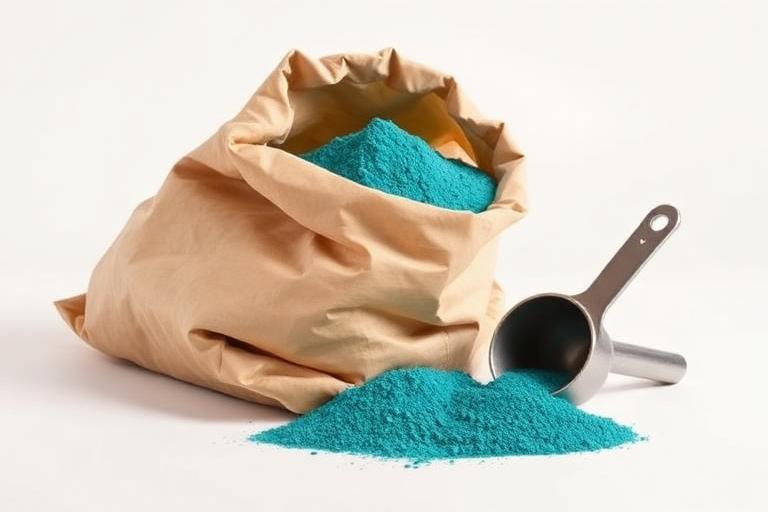
Copper oxychloride 50% WP
Active ingredient: Copper oxychloride
- Dose:
- 3 g per litre
- Interval:
- Every 14 days through the rainy season
- PHI:
- 3–5 days
Standard preventive base for coffee leaf rust in smallholder systems.
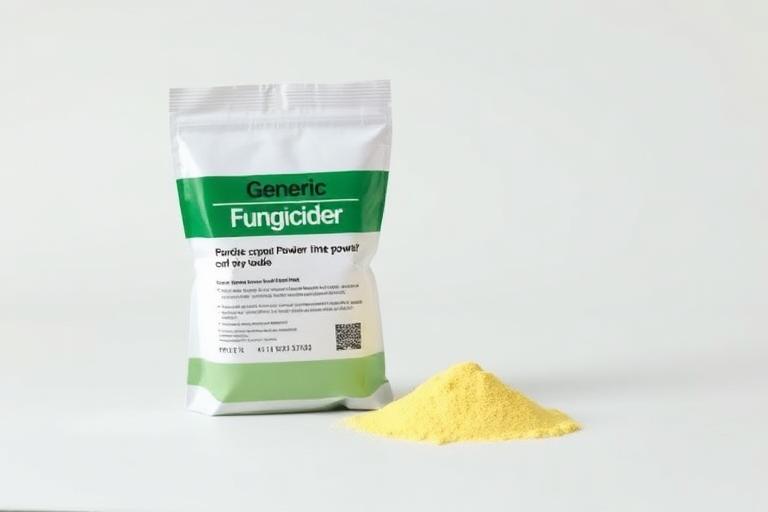
Wettable sulphur 80% WG
Active ingredient: Sulphur
- Dose:
- 2–3 g per litre (2–3 kg/ha)
- Interval:
- Every 10–14 days
- PHI:
- 1 day
Cheapest effective option. Do not apply above 32 °C or within 14 days of an oil spray — it will burn foliage.

Potassium bicarbonate
Active ingredient: Potassium bicarbonate
- Dose:
- 5 g per litre + 1 ml non-ionic wetter
- Interval:
- Every 7 days while pressure lasts
- PHI:
- 0 days
Collapses existing colonies on contact. Ideal for kitchen gardens and pre-harvest sprays.
Doses shown are typical registered field rates. Always read the product label, confirm the product is registered for your crop and country, respect the pre-harvest interval (PHI), and wear the protective equipment the label specifies. PlantWatch AI provides agronomic guidance, not a legal spray recommendation.
Is your Wheat showing symptoms right now?
Photograph the leaf and PlantWatch AI will diagnose the disorder and prescribe the exact product, dose and spray interval to use next.
Diagnose a plant