
Rust fungi are named for the orange, dust-like pustules they leave on your fingers when you brush a lesion — a diagnostic tell nothing else quite matches. Their spores travel on wind currents for hundreds of kilometers, which is why regional outbreaks can appear almost overnight even in fields that had no visible disease the week before.
Symptoms
- Orange, yellow or reddish-brown pustules on leaf undersides
- Yellow flecks on upper leaf surface
- Premature leaf drop and reduced photosynthesis
Causes
- Warm humid conditions favor spore germination
- Wind-dispersed spores travel long distances
- Susceptible cultivars and monoculture
Treatment
- Apply triazole fungicide (propiconazole, tebuconazole) at first pustule
- Remove and destroy infected tissue
- Increase potassium to strengthen cell walls
Prevention
- Plant rust-resistant varieties
- Rotate cereals with non-hosts
- Scout weekly during grain fill
Which drug to use on Rust Disease
Registered products, active ingredients, mixing rates, spray intervals and pre-harvest intervals for controlling rust disease. Rotate between different FRAC/IRAC groups to avoid resistance.
Tebuconazole 25% EC
Active ingredient: Tebuconazole

- Dose
- 1 ml per litre (500 ml–1 L/ha)
- Interval
- Every 14–21 days, 2 sprays per season
- Pre-harvest interval
- 21–35 days on cereals
The standard cereal-rust curative. Apply at first pustule, and again at flag-leaf if pressure continues.
Propiconazole 25% EC
Active ingredient: Propiconazole
- Dose
- 1 ml per litre
- Interval
- Every 14–21 days
- Pre-harvest interval
- 21–30 days
Widely used on coffee leaf rust and cereal rusts; rotate with a strobilurin.
Azoxystrobin + cyproconazole
Active ingredient: Azoxystrobin 20% + Cyproconazole 8%
- Dose
- 1 ml per litre
- Interval
- Every 21 days, 1–2 per season
- Pre-harvest interval
- 30 days
Built-in two-mode mixture — the safest way to slow rust resistance in intensive systems.
Copper oxychloride 50% WP
Active ingredient: Copper oxychloride
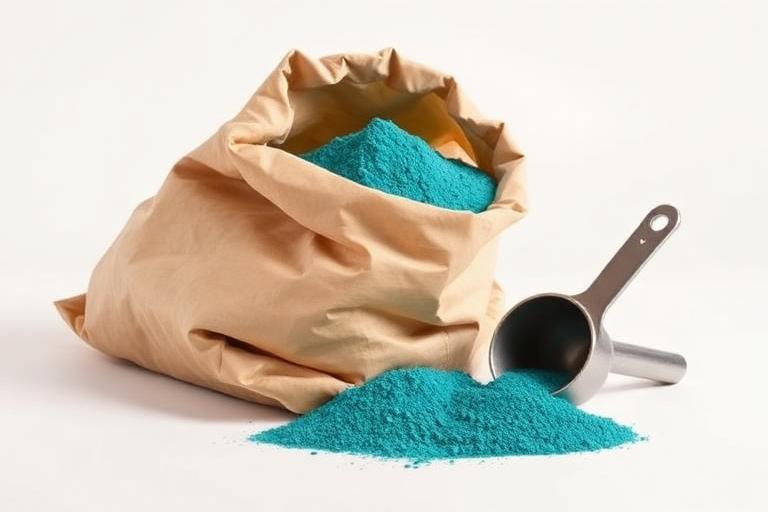
- Dose
- 3 g per litre
- Interval
- Every 14 days through the rainy season
- Pre-harvest interval
- 3–5 days
Standard preventive base for coffee leaf rust in smallholder systems.
Doses shown are typical registered field rates. Always read the product label, confirm the product is registered for your crop and country, respect the pre-harvest interval (PHI), and wear the protective equipment the label specifies. PlantWatch AI provides agronomic guidance, not a legal spray recommendation.
Frequently asked questions
How can I confirm a lesion is rust and not another disease?
Rub the pustule with a white tissue — rust leaves an orange or reddish-brown residue behind, which is a quick, reliable field test other diseases won't reproduce.
Can rust spread between fields far apart?
Yes. Rust spores are extremely light and wind-dispersed, so outbreaks can appear in fields many kilometers from the nearest known infection.
Systemic Fungicide Rotation
Systemic triazoles and strobilurins for curative action against rust and powdery mildew.
View full treatment plan →Diagnose your own plant
Upload a photo and PlantWatch AI confirms the disease and prescribes a region-aware treatment plan.
Start a diagnosis