
Powdery mildew is the disease most gardeners meet first, because unlike almost every other fungal pathogen it thrives without any leaf wetness at all — a warm, dry day followed by a cool night is enough. It rarely kills a plant outright, but it steadily robs yield and vigor by coating leaves in a film that blocks photosynthesis.
Symptoms
- White powdery patches on upper leaf surfaces
- Distorted, yellowing new growth
- Premature leaf drop and reduced yield
Causes
- Warm days, cool nights and high humidity without leaf wetness
- Shaded, crowded plantings
- Excess nitrogen fertilization
Treatment
- Spray potassium bicarbonate or neem oil at first sign
- Apply sulfur or myclobutanil fungicide on 10–14 day intervals
- Remove and destroy infected leaves
Prevention
- Choose mildew-resistant cultivars
- Space plants for airflow and prune dense canopies
- Avoid overhead nitrogen and evening irrigation
Which drug to use on Powdery Mildew
Registered products, active ingredients, mixing rates, spray intervals and pre-harvest intervals for controlling powdery mildew. Rotate between different FRAC/IRAC groups to avoid resistance.
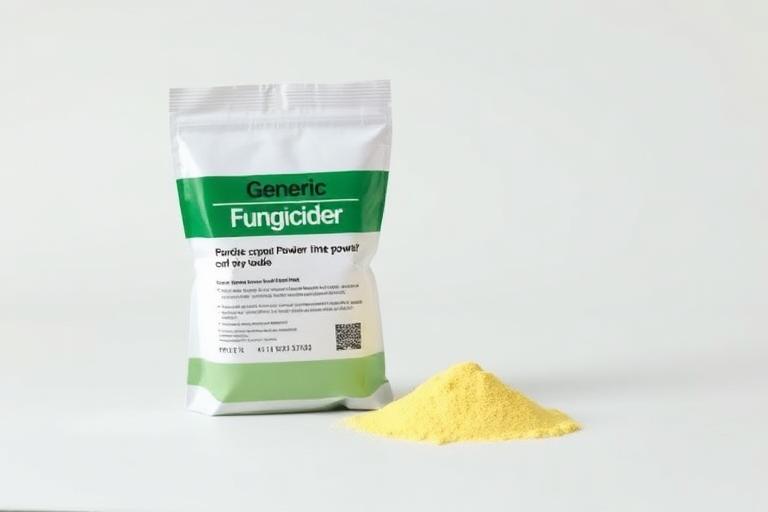
Wettable sulphur 80% WG
Active ingredient: Sulphur
- Dose
- 2–3 g per litre (2–3 kg/ha)
- Interval
- Every 10–14 days
- Pre-harvest interval
- 1 day
Cheapest effective option. Do not apply above 32 °C or within 14 days of an oil spray — it will burn foliage.
Potassium bicarbonate
Active ingredient: Potassium bicarbonate

- Dose
- 5 g per litre + 1 ml non-ionic wetter
- Interval
- Every 7 days while pressure lasts
- Pre-harvest interval
- 0 days
Collapses existing colonies on contact. Ideal for kitchen gardens and pre-harvest sprays.
Myclobutanil 10% WP
Active ingredient: Myclobutanil

- Dose
- 0.4 g per litre (400 g/ha)
- Interval
- Every 14 days, maximum 2–3 sprays per season
- Pre-harvest interval
- 3–7 days
Rotate with a non-DMI product; repeated DMI use is the main driver of mildew resistance.
Neem oil (azadirachtin 1500 ppm)
Active ingredient: Azadirachtin
- Dose
- 3–5 ml per litre + emulsifier
- Interval
- Every 7 days, evening application
- Pre-harvest interval
- 0 days
Suppressive rather than curative; also controls aphids and whitefly in the same pass.
Doses shown are typical registered field rates. Always read the product label, confirm the product is registered for your crop and country, respect the pre-harvest interval (PHI), and wear the protective equipment the label specifies. PlantWatch AI provides agronomic guidance, not a legal spray recommendation.
Frequently asked questions
Does powdery mildew need wet leaves to spread?
No — unlike most fungal diseases, powdery mildew spreads fastest in dry conditions with high humidity, which is why it appears even during dry spells.
Is powdery mildew fatal to plants?
Rarely on its own, but it reduces photosynthesis and yield significantly if left untreated, and can weaken plants enough to invite secondary problems.
Organic Foliar Spray
Low-toxicity foliar sprays for home gardens and organic-certified farms.
View full treatment plan →Diagnose your own plant
Upload a photo and PlantWatch AI confirms the disease and prescribes a region-aware treatment plan.
Start a diagnosis