
Black Sigatoka and Fusarium wilt (Panama disease) are the two threats that decide whether a plantation survives a decade. Both are managed through sanitation and variety choice long before any spray.
- Grown in
- Uganda, Ghana, Nigeria, India, Philippines, Ecuador
- Season
- Perennial, 9–12 months to first bunch
- Soil & pH
- Deep, rich, well-drained soil, pH 5.5–7.0, heavy potassium demand
What to scout for on Banana & Plantain
- Narrow dark streaks widening into grey blotches — black Sigatoka
- Yellowing that starts on the oldest leaves and collapses the skirt — Fusarium wilt
- Brown vascular rings when the pseudostem is cut
- Marginal leaf scorch from potassium deficiency
Diseases that attack Banana & Plantain

Leaf Spot
Septoria, Cercospora, Alternaria spp.

Bacterial Wilt
Ralstonia solanacearum / Erwinia tracheiphila

Nitrogen Deficiency
Abiotic — nutrient stress
Products you can buy for Banana & Plantain
Typical registered products for the diseases above, with active ingredient, mixing rate, spray interval and pre-harvest interval. Rotate FRAC/IRAC groups to avoid resistance.
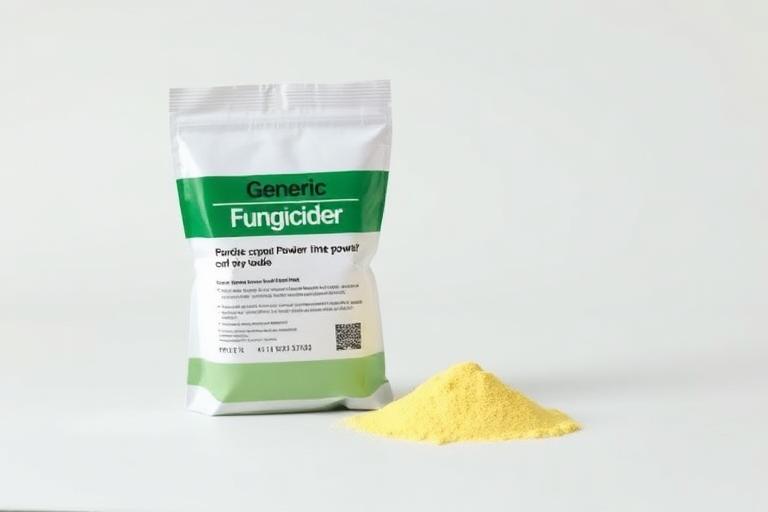
Chlorothalonil 75% WP
Active ingredient: Chlorothalonil
- Dose:
- 2 g per litre (1.5–2 kg/ha)
- Interval:
- Every 7–10 days
- PHI:
- 7 days
Backbone protectant for Septoria and Cercospora leaf spots. Full leaf coverage, including undersides, is essential.
Mancozeb 80% WP
Active ingredient: Mancozeb
- Dose:
- 2.5 g per litre
- Interval:
- Every 7 days
- PHI:
- 7 days
Adds zinc and manganese nutrition alongside disease control.
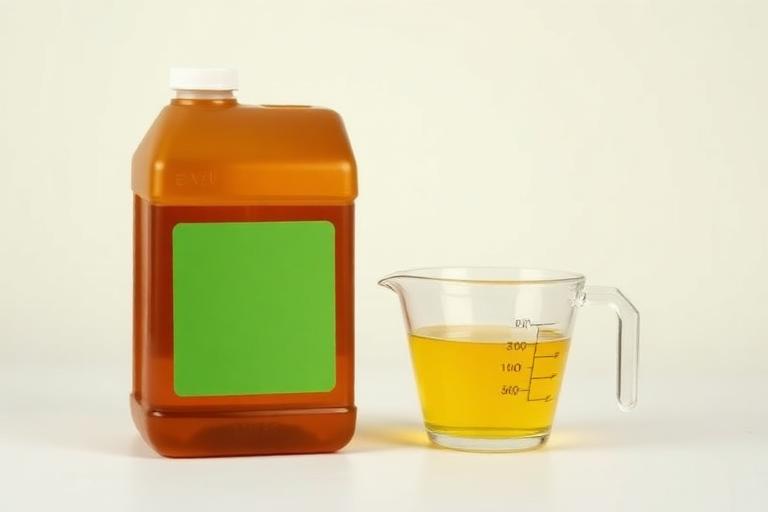
Azoxystrobin 23% SC
Active ingredient: Azoxystrobin
- Dose:
- 1 ml per litre (500 ml/ha)
- Interval:
- Every 14 days, maximum 2 per season
- PHI:
- 3–7 days
Strong translaminar movement. Always tank-mix or alternate with a multi-site to protect the QoI group.
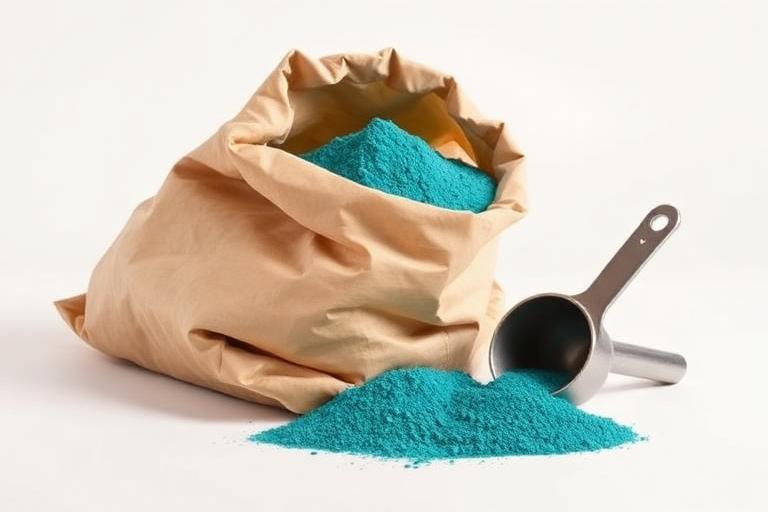
Copper hydroxide 77% WP
Active ingredient: Copper hydroxide
- Dose:
- 2 g per litre
- Interval:
- Every 10 days
- PHI:
- 1–3 days
Use when bacterial leaf spot cannot be ruled out — copper covers both bacterial and fungal spotting.
Bleaching powder / calcium hypochlorite
Active ingredient: Calcium hypochlorite 33%
- Dose:
- 10–15 kg/ha broadcast into infested beds, or 1% solution for tool dipping
- Interval:
- Once before planting; dip tools between every plant
- PHI:
- Not applicable (pre-plant)
The single most effective intervention: Ralstonia survives in soil and moves on unsanitised knives.
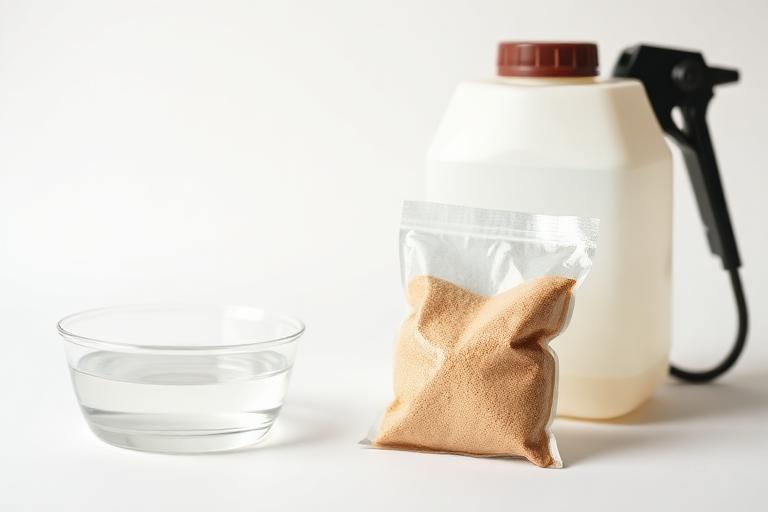
Bacillus subtilis (biological)
Active ingredient: Bacillus subtilis strain QST 713
- Dose:
- 5 g per litre as a nursery and transplant drench
- Interval:
- At sowing, at transplant, then every 14 days
- PHI:
- 0 days
Colonises the root zone and competes with Ralstonia. Preventive only — start in the nursery.
Doses shown are typical registered field rates. Always read the product label, confirm the product is registered for your crop and country, respect the pre-harvest interval (PHI), and wear the protective equipment the label specifies. PlantWatch AI provides agronomic guidance, not a legal spray recommendation.
Is your Banana & Plantain showing symptoms right now?
Photograph the leaf and PlantWatch AI will diagnose the disorder and prescribe the exact product, dose and spray interval to use next.
Diagnose a plant