
Leaf spot is really a family name for several closely related fungi that all produce the same telltale ringed lesion. It moves slowly compared to blight, so most growers first notice it as a gradual decline in lower-canopy leaves rather than a sudden crisis — which also means it is one of the easiest diseases to catch early with routine scouting.
Symptoms
- Circular brown or black spots with concentric rings
- Yellow halos around lesions
- Lower leaves defoliate first and progress upward
Causes
- Splashing rain and overhead irrigation
- Overwintering pathogens on crop debris
- Poor plant spacing
Treatment
- Apply chlorothalonil or mancozeb every 7–10 days
- Remove all infected leaves and destroy
- Mulch to reduce soil splash onto lower foliage
Prevention
- Rotate crops on a 2–3 year cycle
- Use drip irrigation and morning watering
- Sanitize tools and clear crop debris after harvest
Which drug to use on Leaf Spot
Registered products, active ingredients, mixing rates, spray intervals and pre-harvest intervals for controlling leaf spot. Rotate between different FRAC/IRAC groups to avoid resistance.
Chlorothalonil 75% WP
Active ingredient: Chlorothalonil
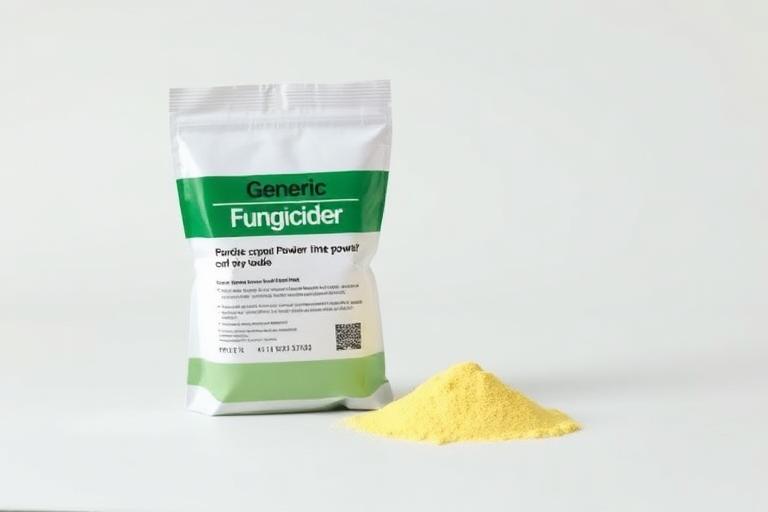
- Dose
- 2 g per litre (1.5–2 kg/ha)
- Interval
- Every 7–10 days
- Pre-harvest interval
- 7 days
Backbone protectant for Septoria and Cercospora leaf spots. Full leaf coverage, including undersides, is essential.
Mancozeb 80% WP
Active ingredient: Mancozeb
- Dose
- 2.5 g per litre
- Interval
- Every 7 days
- Pre-harvest interval
- 7 days
Adds zinc and manganese nutrition alongside disease control.
Azoxystrobin 23% SC
Active ingredient: Azoxystrobin
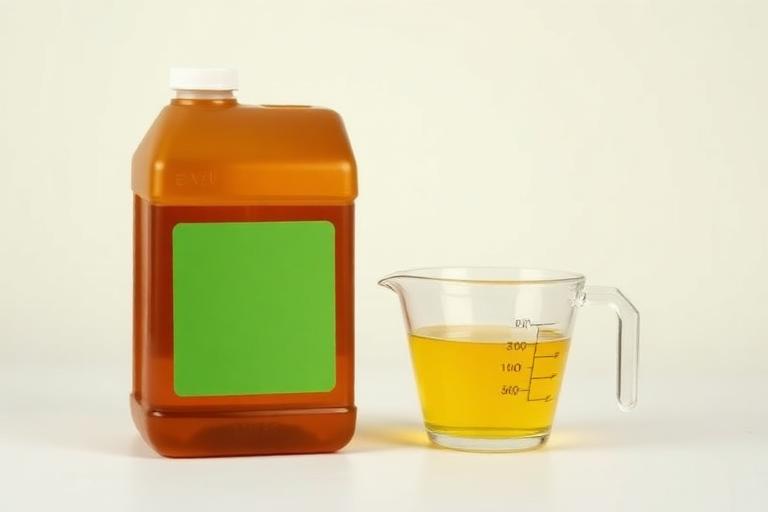
- Dose
- 1 ml per litre (500 ml/ha)
- Interval
- Every 14 days, maximum 2 per season
- Pre-harvest interval
- 3–7 days
Strong translaminar movement. Always tank-mix or alternate with a multi-site to protect the QoI group.
Copper hydroxide 77% WP
Active ingredient: Copper hydroxide
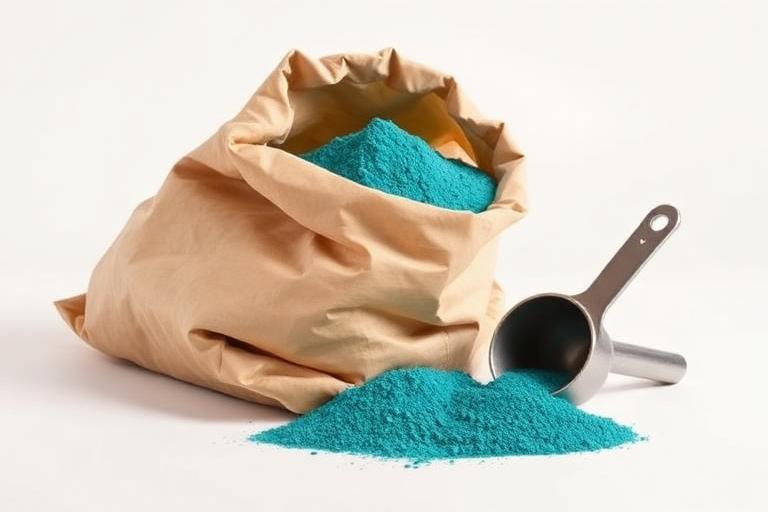
- Dose
- 2 g per litre
- Interval
- Every 10 days
- Pre-harvest interval
- 1–3 days
Use when bacterial leaf spot cannot be ruled out — copper covers both bacterial and fungal spotting.
Doses shown are typical registered field rates. Always read the product label, confirm the product is registered for your crop and country, respect the pre-harvest interval (PHI), and wear the protective equipment the label specifies. PlantWatch AI provides agronomic guidance, not a legal spray recommendation.
Frequently asked questions
Is leaf spot the same as late blight?
No. Leaf spot lesions have distinct concentric rings and spread slowly from the bottom of the plant upward, while late blight causes irregular greasy patches that spread within days.
Why do lower leaves get leaf spot first?
Spores overwinter in soil and crop debris, so rain splash carries them onto the lowest leaves first before wind and further splash move them up the plant.
Preventive Fungicide Program
A rotating schedule of protectant contact fungicides for foliar diseases on vegetables, fruit and ornamentals.
View full treatment plan →Diagnose your own plant
Upload a photo and PlantWatch AI confirms the disease and prescribes a region-aware treatment plan.
Start a diagnosis