
Bacterial wilt is deceptive because the plant can look perfectly hydrated right up until it collapses — the pathogen clogs the vascular system from the inside rather than damaging leaf tissue directly. Once symptoms show, there is no chemical cure, which makes early confirmation and strict sanitation the only real defense.
Symptoms
- Sudden wilting of one side or the whole plant despite moist soil
- Brown vascular discoloration when stem is cut
- Milky bacterial ooze from cut stem placed in water
Causes
- Warm soils (>24 °C) and high moisture
- Spread via infected transplants, cutting tools and root-knot nematode wounds
Treatment
- No effective chemical cure — remove and destroy infected plants
- Solarize soil for 4–6 weeks in the affected bed
- Sterilize tools with 10% bleach between plants
Prevention
- Plant certified clean seed and resistant rootstock
- Rotate with non-solanaceous crops for 4+ years
- Control nematodes to reduce root wounds
Which drug to use on Bacterial Wilt
Registered products, active ingredients, mixing rates, spray intervals and pre-harvest intervals for controlling bacterial wilt. Rotate between different FRAC/IRAC groups to avoid resistance.
Copper hydroxide 77% WP
Active ingredient: Copper hydroxide
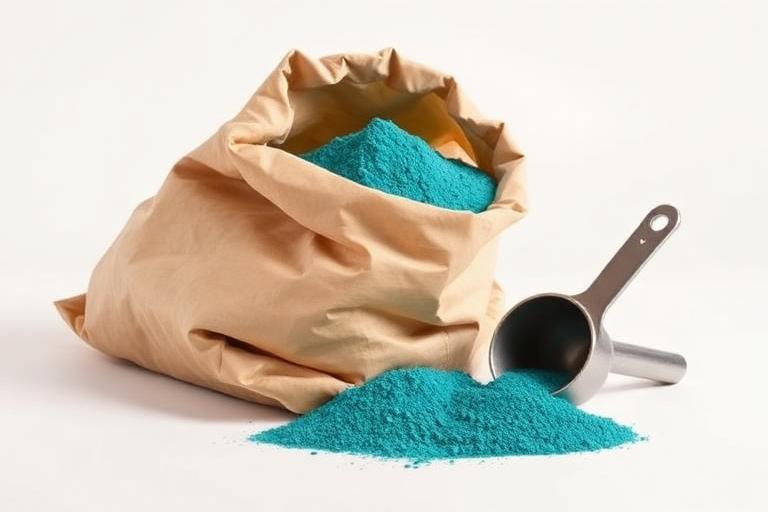
- Dose
- 2–3 g per litre as a soil drench and foliar spray
- Interval
- Every 10 days as suppression only
- Pre-harvest interval
- 1–3 days
Copper suppresses surface spread — it cannot cure a vascular infection. Roguing is still mandatory.
Bleaching powder / calcium hypochlorite
Active ingredient: Calcium hypochlorite 33%
- Dose
- 10–15 kg/ha broadcast into infested beds, or 1% solution for tool dipping
- Interval
- Once before planting; dip tools between every plant
- Pre-harvest interval
- Not applicable (pre-plant)
The single most effective intervention: Ralstonia survives in soil and moves on unsanitised knives.
Bacillus subtilis (biological)
Active ingredient: Bacillus subtilis strain QST 713
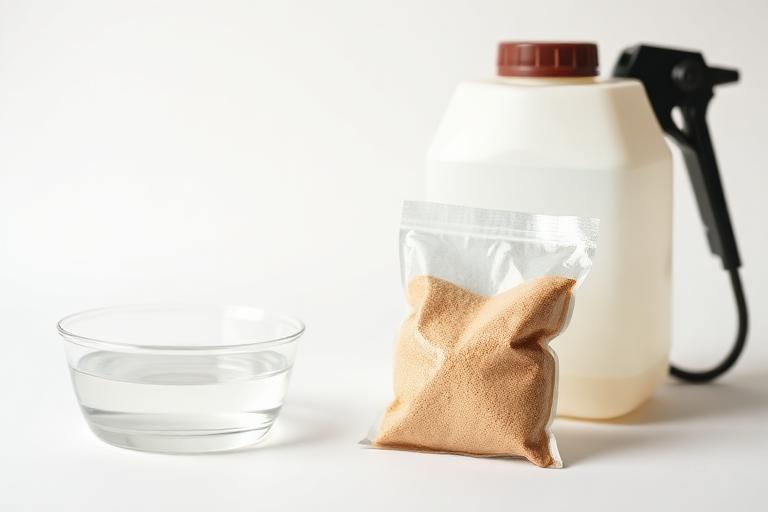
- Dose
- 5 g per litre as a nursery and transplant drench
- Interval
- At sowing, at transplant, then every 14 days
- Pre-harvest interval
- 0 days
Colonises the root zone and competes with Ralstonia. Preventive only — start in the nursery.
Agricultural lime
Active ingredient: Calcium carbonate

- Dose
- 2–4 t/ha depending on soil test
- Interval
- Once per rotation cycle
- Pre-harvest interval
- Not applicable
Raising pH toward 6.5–7.0 measurably reduces bacterial wilt incidence in acidic tropical soils.
Doses shown are typical registered field rates. Always read the product label, confirm the product is registered for your crop and country, respect the pre-harvest interval (PHI), and wear the protective equipment the label specifies. PlantWatch AI provides agronomic guidance, not a legal spray recommendation.
Frequently asked questions
Is there a chemical treatment for bacterial wilt?
No effective chemical cure exists once a plant is infected. Management relies on removing infected plants, sanitizing tools, and rotating away from host crops for several years.
How can I quickly confirm bacterial wilt in the field?
Cut a wilting stem and suspend it in a glass of clear water — milky bacterial strands streaming out within a few minutes confirm the diagnosis.
Sanitation & Quarantine
Cultural control that stops soil-borne bacterial and viral pathogens from spreading.
View full treatment plan →Diagnose your own plant
Upload a photo and PlantWatch AI confirms the disease and prescribes a region-aware treatment plan.
Start a diagnosis