
The dryland cereal of the Sahel and northern Nigeria. Sorghum shrugs off drought but not anthracnose, and Striga (witchweed) parasitism is routinely misdiagnosed as a nutrient problem.
- Grown in
- Nigeria, Sudan, Ethiopia, India, Niger, Mali
- Season
- Drought tolerant, 100–140 days
- Soil & pH
- Tolerates heavy and marginal soils, pH 5.5–8.0
What to scout for on Sorghum
- Red-purple leaf lesions with dark centres — sorghum anthracnose
- Grain mould in humid seasons at maturity
- Purple-flowered Striga at the base — parasitic weed, not disease
- Sooty stripe and rust in the late canopy
Diseases that attack Sorghum


Products you can buy for Sorghum
Typical registered products for the diseases above, with active ingredient, mixing rate, spray interval and pre-harvest interval. Rotate FRAC/IRAC groups to avoid resistance.

Tebuconazole 25% EC
Active ingredient: Tebuconazole
- Dose:
- 1 ml per litre (500 ml–1 L/ha)
- Interval:
- Every 14–21 days, 2 sprays per season
- PHI:
- 21–35 days on cereals
The standard cereal-rust curative. Apply at first pustule, and again at flag-leaf if pressure continues.
Propiconazole 25% EC
Active ingredient: Propiconazole
- Dose:
- 1 ml per litre
- Interval:
- Every 14–21 days
- PHI:
- 21–30 days
Widely used on coffee leaf rust and cereal rusts; rotate with a strobilurin.
Azoxystrobin + cyproconazole
Active ingredient: Azoxystrobin 20% + Cyproconazole 8%
- Dose:
- 1 ml per litre
- Interval:
- Every 21 days, 1–2 per season
- PHI:
- 30 days
Built-in two-mode mixture — the safest way to slow rust resistance in intensive systems.
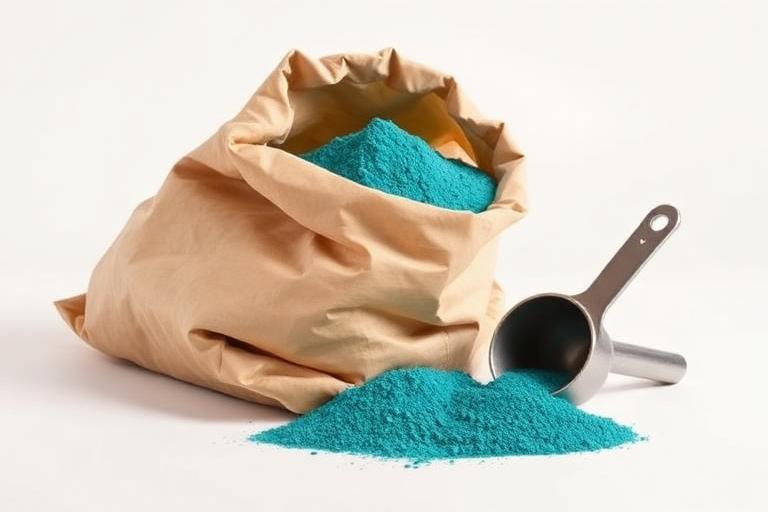
Copper oxychloride 50% WP
Active ingredient: Copper oxychloride
- Dose:
- 3 g per litre
- Interval:
- Every 14 days through the rainy season
- PHI:
- 3–5 days
Standard preventive base for coffee leaf rust in smallholder systems.

Urea 46-0-0
Active ingredient: Urea nitrogen 46%
- Dose:
- 100–150 kg/ha split, or 5 g per litre as a 2% foliar spray
- Interval:
- Split into 2–3 side-dressings across the growth cycle
- PHI:
- Not applicable
Incorporate into moist soil within a day — surface urea can lose 30% of its nitrogen to volatilisation.
NPK 15-15-15 compound
Active ingredient: Balanced N-P-K
- Dose:
- 200–300 kg/ha at planting
- Interval:
- Basal dose at planting or transplanting
- PHI:
- Not applicable
The correct starting point when no soil test exists; follow up with nitrogen-only top-dressing.
Doses shown are typical registered field rates. Always read the product label, confirm the product is registered for your crop and country, respect the pre-harvest interval (PHI), and wear the protective equipment the label specifies. PlantWatch AI provides agronomic guidance, not a legal spray recommendation.
Is your Sorghum showing symptoms right now?
Photograph the leaf and PlantWatch AI will diagnose the disorder and prescribe the exact product, dose and spray interval to use next.
Diagnose a plant