
Late blight is the fastest-moving disease in the vegetable garden — the same pathogen behind the 1840s Irish potato famine can still collapse an unprotected tomato or potato planting within 7–10 days of the first lesion, especially after a run of cool, wet nights. Because it spreads by windborne spores, a single infected plant can seed an entire field before symptoms are obvious from a distance.
Symptoms
- Water-soaked dark lesions on leaves and stems
- White fungal growth on leaf undersides in humid conditions
- Brown, greasy patches spreading rapidly across foliage
- Firm brown rot on tubers and fruit
Causes
- Cool, wet weather (10–20 °C) with prolonged leaf wetness
- Spore spread via wind, rain splash and infected seed tubers
- Dense planting and poor air circulation
Treatment
- Remove and destroy infected foliage immediately — do not compost
- Apply copper-based fungicide or chlorothalonil on a 7-day schedule
- Switch to systemic mefenoxam once outbreak is confirmed
- Improve airflow by pruning lower leaves and staking plants
Prevention
- Plant certified disease-free seed tubers and resistant cultivars
- Rotate solanaceous crops on a 3-year cycle
- Water at the base of plants early in the day
- Scout weekly during cool wet spells
Which drug to use on Late Blight
Registered products, active ingredients, mixing rates, spray intervals and pre-harvest intervals for controlling late blight. Rotate between different FRAC/IRAC groups to avoid resistance.
Mancozeb 80% WP
Active ingredient: Mancozeb
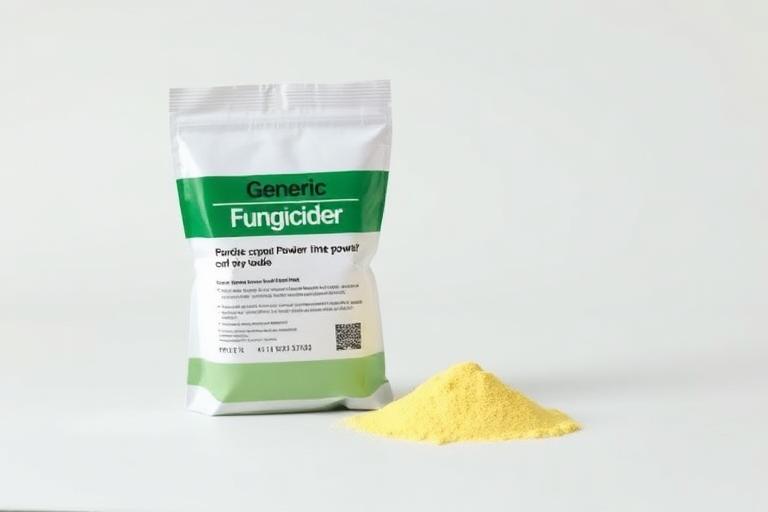
- Dose
- 2.0–2.5 g per litre of water (2.0–2.5 kg/ha in 800–1000 L)
- Interval
- Every 7 days during cool, wet weather
- Pre-harvest interval
- 7 days
Protectant only — it must be on the leaf before spores land. Re-apply after 20 mm of rain.
Copper oxychloride 50% WP
Active ingredient: Copper oxychloride
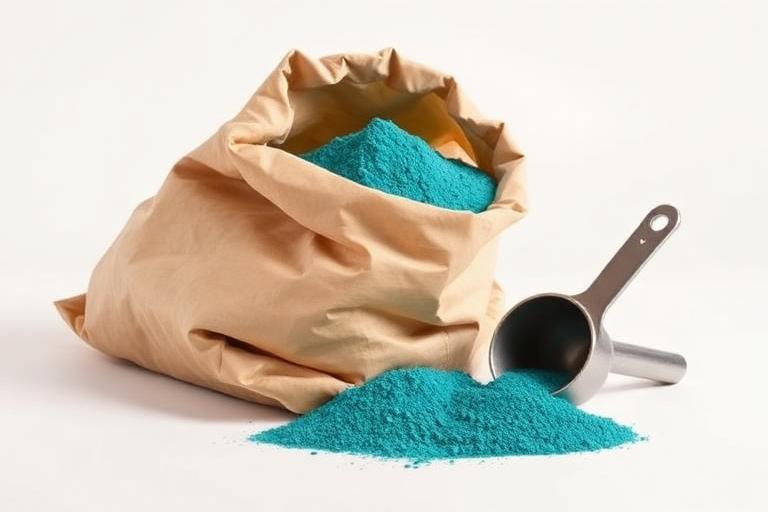
- Dose
- 3 g per litre (2.5–3 kg/ha)
- Interval
- Every 7–10 days
- Pre-harvest interval
- 3–5 days
Approved for most organic programmes. Do not spray in full midday sun on young foliage — copper can scorch.
Ridomil Gold MZ (metalaxyl-M + mancozeb)
Active ingredient: Metalaxyl-M 4% + Mancozeb 64%
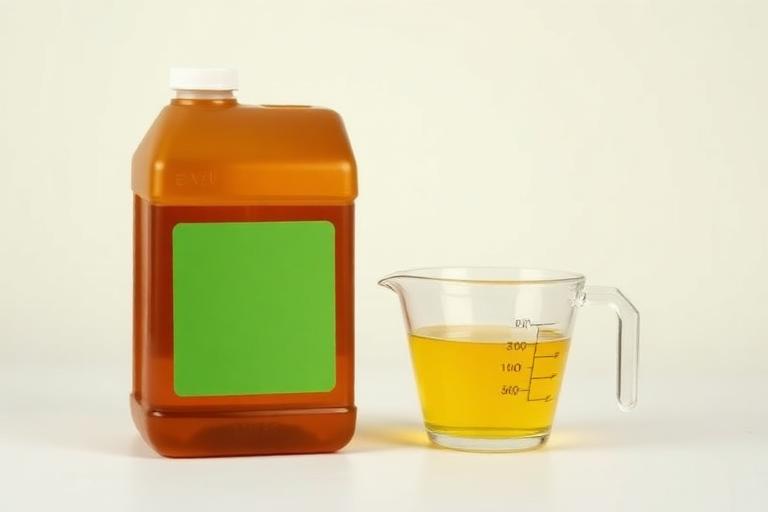
- Dose
- 2.5 g per litre (2.5 kg/ha)
- Interval
- Every 10–14 days, maximum 3 applications per season
- Pre-harvest interval
- 14 days
Curative for 2–3 days after infection. Never use alone or more than 3 times — Phytophthora develops metalaxyl resistance quickly.
Cymoxanil + famoxadone
Active ingredient: Cymoxanil 30% + Famoxadone 22.5%
- Dose
- 0.4 g per litre (400 g/ha)
- Interval
- Every 10 days
- Pre-harvest interval
- 7 days
Excellent rotation partner with mancozeb; alternate FRAC groups on every second spray.
Doses shown are typical registered field rates. Always read the product label, confirm the product is registered for your crop and country, respect the pre-harvest interval (PHI), and wear the protective equipment the label specifies. PlantWatch AI provides agronomic guidance, not a legal spray recommendation.
Frequently asked questions
Can late blight be cured once a plant is infected?
No — there is no curative treatment. Infected tissue must be removed and destroyed, and remaining plants protected with a preventive fungicide program before they are exposed.
How fast does late blight spread?
Under cool, humid conditions a single lesion can produce spores that infect an entire planting within 7–10 days, which is why prevention and daily scouting matter more than cure.
Preventive Fungicide Program
A rotating schedule of protectant contact fungicides for foliar diseases on vegetables, fruit and ornamentals.
View full treatment plan →Diagnose your own plant
Upload a photo and PlantWatch AI confirms the disease and prescribes a region-aware treatment plan.
Start a diagnosis